

Squint
One eye turns while the other fixes: this is strabismus. In children, it must be detected early to avoid amblyopia (lazy eye); in adults, it often causes double vision. At the Noisy-le-Grand practice, Dr Mayer Srour and Dr Yaïr Chetrit, together with the orthoptist, provide the complete assessment and treatment.
Strabismus: the essentials in 30 seconds
- In children, any strabismus must be investigated without delay: before the age of 6, the turned eye can become amblyopic (“lazy”).
- Strabismus, even intermittent, after the age of 4 months is never “normal”.
- Treatments: appropriate optical correction, patching, rehabilitation, surgery in some cases.
- In adults, strabismus or double vision of recent onset requires a prompt consultation.
What is strabismus?
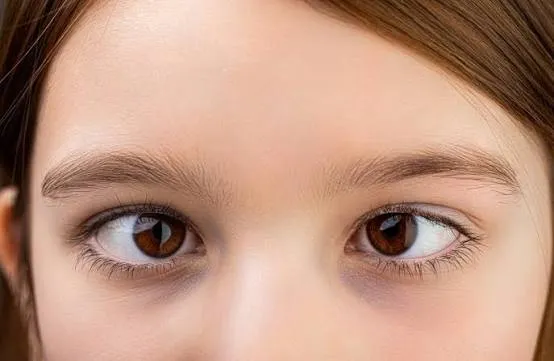
Normally, both eyes look in exactly the same direction: the brain fuses their two images into a single, three-dimensional one. In strabismus, this alignment is lost: while one eye fixes, the other turns inwards, outwards, upwards or downwards.
The deviation may be permanent or appear only at times (tiredness, illness, near vision). Strabismus is not just a cosmetic matter: it disrupts binocular vision and, in children, can lead to amblyopia — an eye that does not develop normal vision because the brain suppresses its image.
The different types of strabismus
Strabismus is classified according to the direction of the deviation. Each form guides the assessment and the treatment:
One particular form, accommodative strabismus, is corrected simply with glasses: this is why precise measurement of vision (under cycloplegia) is an essential step in the assessment.
In children, in adults: two different issues
Strabismus does not present in the same way at different ages — and above all, its consequences are not the same.
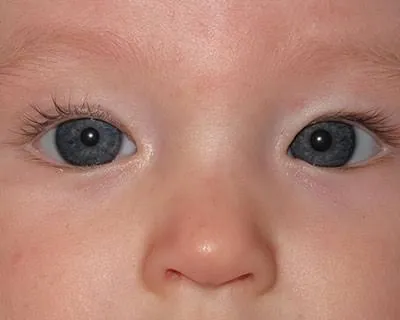
The child's brain suppresses the image from the turned eye to avoid double vision. This “set aside” eye does not develop normal vision: this is amblyopia, reversible if treated early, but which can become permanent after the age of 6–7.
Adults can no longer suppress the image from the turned eye: they see double (diplopia), sometimes with major discomfort. There is often also an aesthetic impact and an effect on self-confidence.
The causes are many: uncorrected refractive error (especially hyperopia), imbalance of the muscles that control the eye, prematurity or family history, and more rarely a neurological problem. A complete assessment makes it possible to pinpoint the cause.
The assessment: ophthalmological and orthoptic
Management of strabismus relies on teamwork between the ophthalmologist and the orthoptist. The assessment, carried out at the practice, measures the deviation, evaluates the vision of each eye and looks for amblyopia.
The orthoptic assessment is central: the orthoptist measures, provides rehabilitation and monitors progress. Find out about their role and what happens at a first consultation at the practice.
Treatments, step by step
There is not one but several treatments, often combined, chosen according to age and type of strabismus. We always start with the simplest:
Optical correction is the first step. In accommodative strabismus, suitable glasses may be enough to realign the eyes.

In children, the good eye is covered (patching) or penalised to force the lazy eye to work and recover its vision.
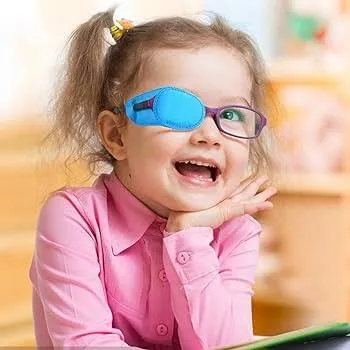
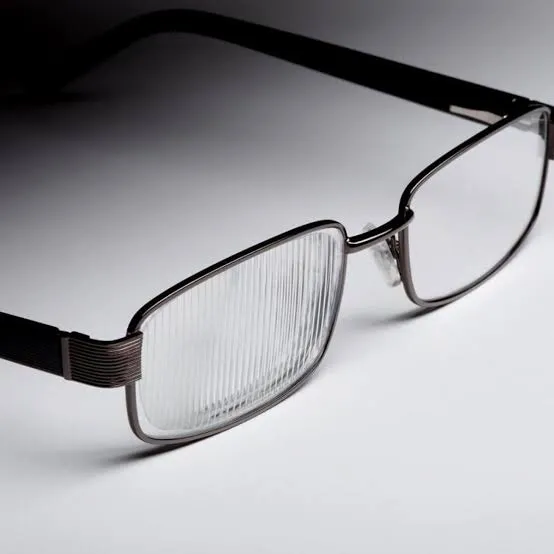
Orthoptic rehabilitation strengthens eye coordination. Prisms fitted to glasses can relieve double vision.
When realignment cannot be achieved otherwise, a botulinum toxin injection or surgery on the eye muscles recentres the gaze — in children as in adults.
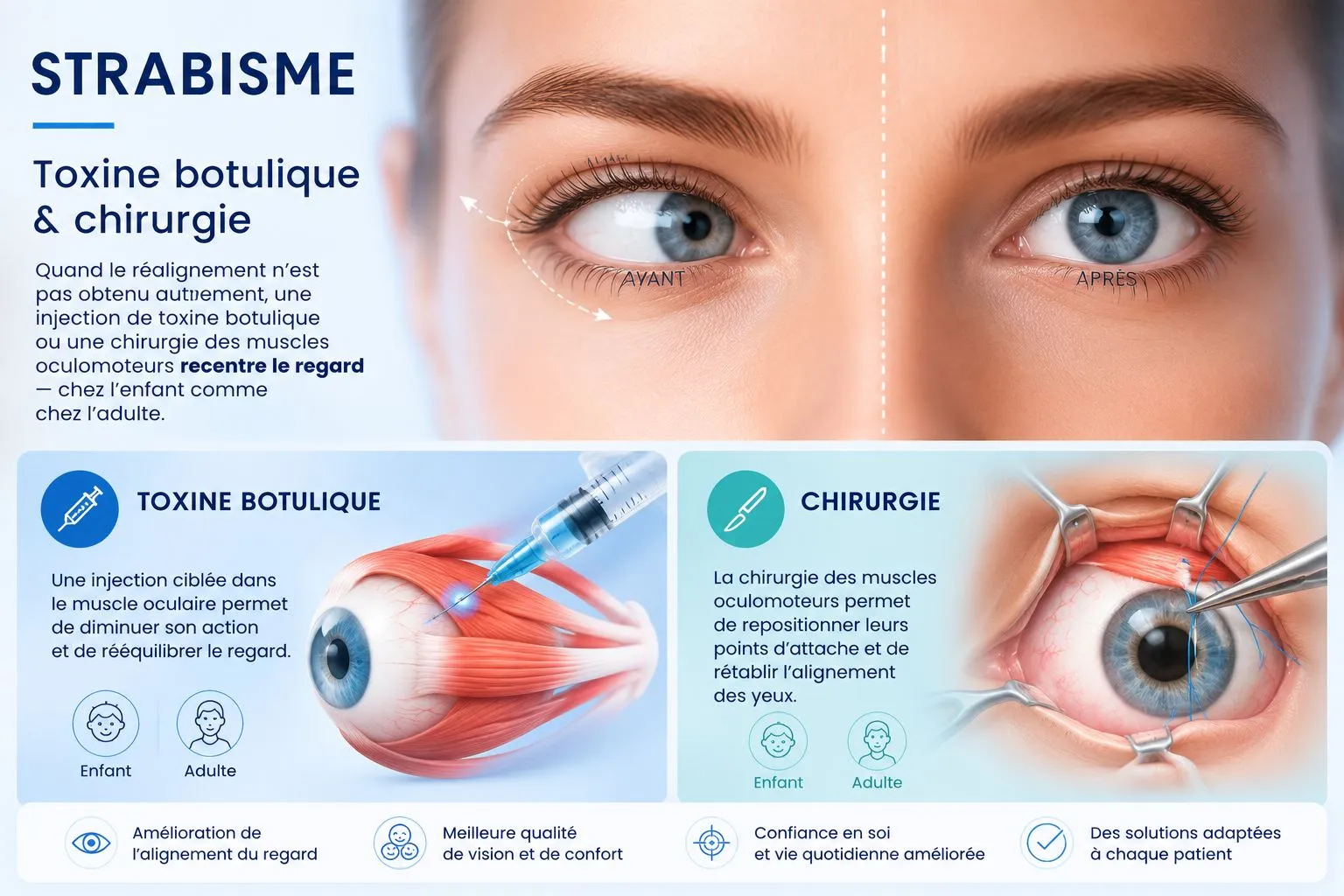
The watchword is early action. In children, the earlier strabismus and amblyopia are treated, the more vision recovers. In adults, it is never “too late” to correct double vision or long-standing strabismus, with a real functional and aesthetic benefit.
A squinting eye is never “normal”
Strabismus that persists after 4 months in an infant, or that appears in an older child or an adult, always warrants a consultation. Do not wait for it to “go away”: this is the best way to preserve vision.
Strabismus: good habits
An eye that turns after 4 months is not normal. The earlier amblyopia is treated, the better vision recovers.
Many cases of strabismus in children are linked to a refractive error. Optical correction is often the first solution.
Treating amblyopia requires consistency: wearing the patch properly and following the rehabilitation determine the result.
Strabismus or double vision appearing in an adult must always be examined without delay.
Official factsheets from the Société Française d'Ophtalmologie
Written by SFO experts, it details strabismus, amblyopia and their treatments in children and adults. To be read before your consultation.
Strabismus in children and adults in Noisy-le-Grand
The Grand Paris Ophtalmologie practice provides assessment and follow-up of strabismus and amblyopia, with the orthoptist, for patients from Noisy-le-Grand and eastern Paris (93, 94, 77): Bry-sur-Marne, Villiers-sur-Marne, Champs-sur-Marne, Neuilly-sur-Marne, Gournay-sur-Marne, Noisiel, Torcy, Chelles, Gagny, Marne-la-Vallée, but also Le Perreux-sur-Marne, Nogent-sur-Marne, Vincennes, Saint-Maur-des-Fossés, Créteil, Rosny-sous-Bois and Montreuil.
Dr Mayer Srour and Dr Yaïr Chetrit examine children and adults and coordinate care (orthoptics, optical correction, surgical opinion if needed).
Strabismus: your questions
Answers from Dr Mayer Srour and Dr Yaïr Chetrit, ophthalmologists in Noisy-le-Grand.
What is strabismus?
A misalignment of the two eyes: while one eye fixes, the other turns inwards, outwards, upwards or downwards. The deviation may be permanent or intermittent.
At what age should strabismus be screened for?
Any strabismus that persists after 4 months should be examined. An eye that constantly turns is never normal, at any age. After 6–7 years, amblyopia becomes much harder to recover from.
Is it only cosmetic?
No. In children, strabismus can lead to amblyopia: the brain suppresses the turned eye, which loses vision — permanently if nothing is done in time.
Why do adults see double?
The adult brain no longer suppresses the image from the turned eye: the two images appear separately (diplopia). A recent strabismus in an adult must always be investigated.
How does the assessment work?
Consultation + orthoptic assessment: measurement of the deviation (cover test), binocular vision, screening for amblyopia and refraction under cycloplegia in children, with a fundus examination.
Can glasses correct strabismus?
Yes for accommodative strabismus: when it is linked to a refractive error (often hyperopia), suitable glasses worn full-time can realign the eyes.
How is strabismus treated?
Glasses, treatment of amblyopia (patching), orthoptic rehabilitation, prisms, then if needed botulinum toxin or surgery on the eye muscles — depending on age and type.
Can strabismus be operated on in adulthood?
Yes. Long-standing or recent strabismus in adults can be corrected (prisms, toxin, surgery), with both functional (double vision) and aesthetic benefit.
Related reading
An eye that turns? Let's book an appointment.
Assessment of strabismus and amblyopia, children and adults, at the Noisy-le-Grand practice — with the orthoptist.
The Grand Paris Ophtalmologie practice in Noisy-le-Grand provides consultations, screening and surgery for patients from neighbouring towns: