

Recommended eye screening, at every age
Most eye diseases progress for a long time without symptoms: glaucoma, diabetic retinopathy, early AMD… By the time vision drops, it is sometimes late. Regular screening makes it possible to treat them before they damage eyesight — and all tests are done on site, at the practice.

Amblyopia and squint: the decisive years
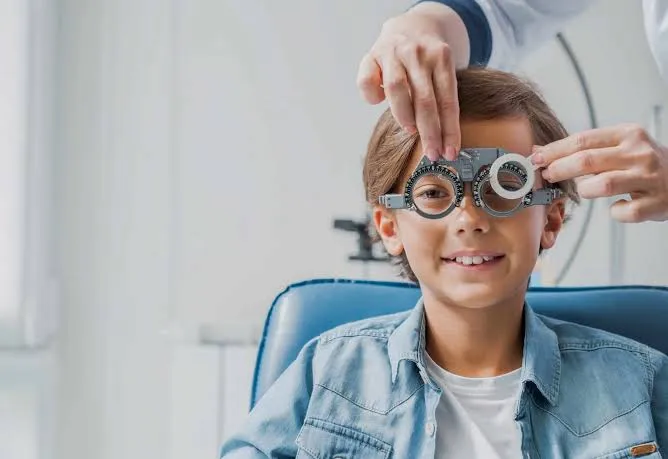
An eye that sees poorly in childhood and is not corrected becomes a lazy eye (amblyopia) — recoverable only if detected early. Recommended examination: before age 1 if there is a risk factor (prematurity, family history of squint or strong prescriptions), around age 3 for everyone, then before starting primary school (CP).
Monitoring progressing myopia
Myopia most often appears at school age and progresses during growth. An annual check makes it possible to adjust the correction and, if progression is rapid, to introduce myopia control — specific lenses or contact lenses.

Glaucoma: screening before the first signs
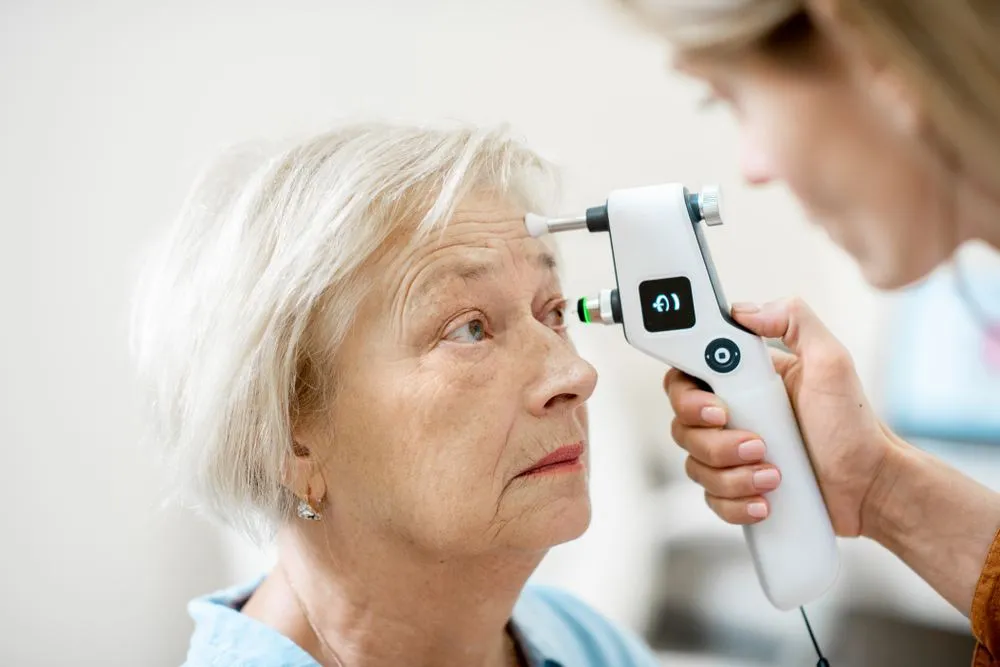
Glaucoma destroys the optic nerve with no symptoms at all for years — lost visual field cannot be recovered. From age 40: eye pressure, optic nerve examination and OCT every 2 to 3 years. A family history of glaucoma? The risk is multiplied by about 3: earlier and closer screening. This is also the age of presbyopia — use the check-up to look at everything.
Diabetes? A fundus examination every year
Diabetic retinopathy is the leading cause of visual impairment before age 65 — and it causes no symptoms in its early stages. A fundus examination or wide-field retinal photographs is recommended from diagnosis, then every year. Detected early, it is treated effectively with laser or injections.

AMD and cataract: the turning point around sixty
From age 55, AMD can begin — especially with a family history or smoking. A regular macular check (OCT) is advised, and any distortion of straight lines should prompt a quick consultation. This is also the age when cataract gradually sets in: veiled vision, glare at night.

Myopic beyond −6 D: monitor the retina
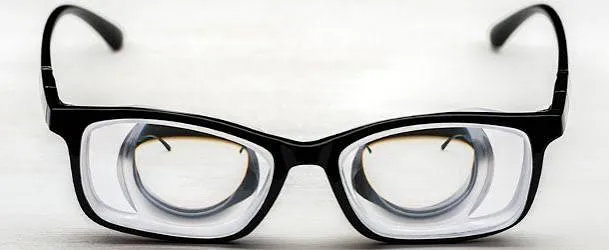
High myopia stretches the retina and exposes it to tears, retinal detachment and myopic maculopathy. An annual fundus examination is recommended — and any sudden onset of floaters or flashes should prompt urgent attention.
Your questions about screening
At what age should a child have a first eye examination?
Before age 1 if there is a risk factor (prematurity, family history), around age 3 for everyone — the key age for amblyopia and squint — then before starting primary school (CP).
A parent has glaucoma: what should I do?
Your risk is multiplied by about 3. Screening from age 40 (or even earlier), then regular checks of pressure + optic nerve + OCT, make it possible to treat before any loss of visual field.
I have diabetes: how often should I be seen?
A fundus examination (or retinal photographs) from diagnosis, then generally every year — more often if retinopathy is already present.
How do I know if I am developing AMD?
After 55, monitor straight lines (tiling, door frames) one eye at a time: any distortion or central spot warrants a prompt consultation with OCT.
I see floaters or flashes: is it urgent?
Their sudden appearance can herald a retinal tear: be seen the same day — the practice sees emergencies without an appointment, Monday to Friday.
Are all these tests done at the practice?
Yes: OCT, visual field, wide-field retinal photographs, topography… the whole range of equipment is on site in Noisy-le-Grand — the complete assessment is done in a single visit.
When was your last check-up?
Book an appointment for a complete assessment — all tests on site, in a single visit.
The Grand Paris Ophtalmologie practice in Noisy-le-Grand provides consultations, screening and surgery for patients from neighbouring towns: