
Dry eye: good habits
Stinging eyes, a gritty sensation, vision that fluctuates in front of the screen… Dry eye is common and, above all, it can be relieved with simple steps.
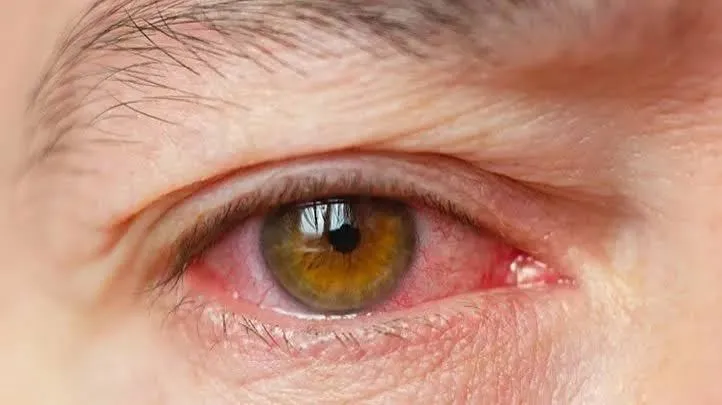
Dry eye is one of the most frequent reasons for consultation. It does not always come from a lack of tears: most often, tears evaporate too quickly because the tear film is of poor quality.
Recognising the symptoms
The signs can be misleading — a dry eye can even… water, as a reaction. The typical signs:
- a gritty, burning or stinging sensation;
- red eyes, tired at the end of the day;
- vision that fluctuates and becomes clear again when blinking;
- discomfort in light or in front of a screen.
Why now?
Several factors add up: screen work (we blink 2 to 3 times less), age, menopause, air conditioning or heating, contact lens wear, certain medications, and inflammation of the eyelid margin (blepharitis).
When to consult
Discomfort that lasts despite artificial tears, persistent redness, pain or a drop in vision warrant an examination. At the practice, we analyse the tear film and the eyelid margins to offer suitable treatment: eyelid care, anti-inflammatory eye drops, or treatment of the Meibomian glands.
Dry eye is chronic but can be controlled very well once the cause is identified: the aim is lasting comfort, not just “putting in drops”.